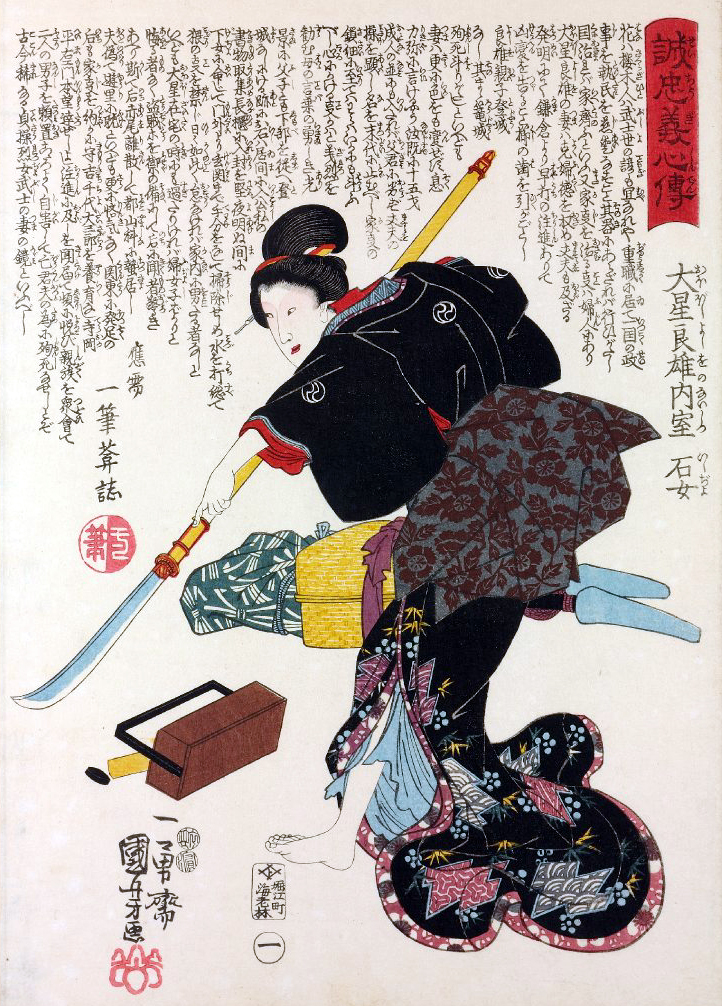
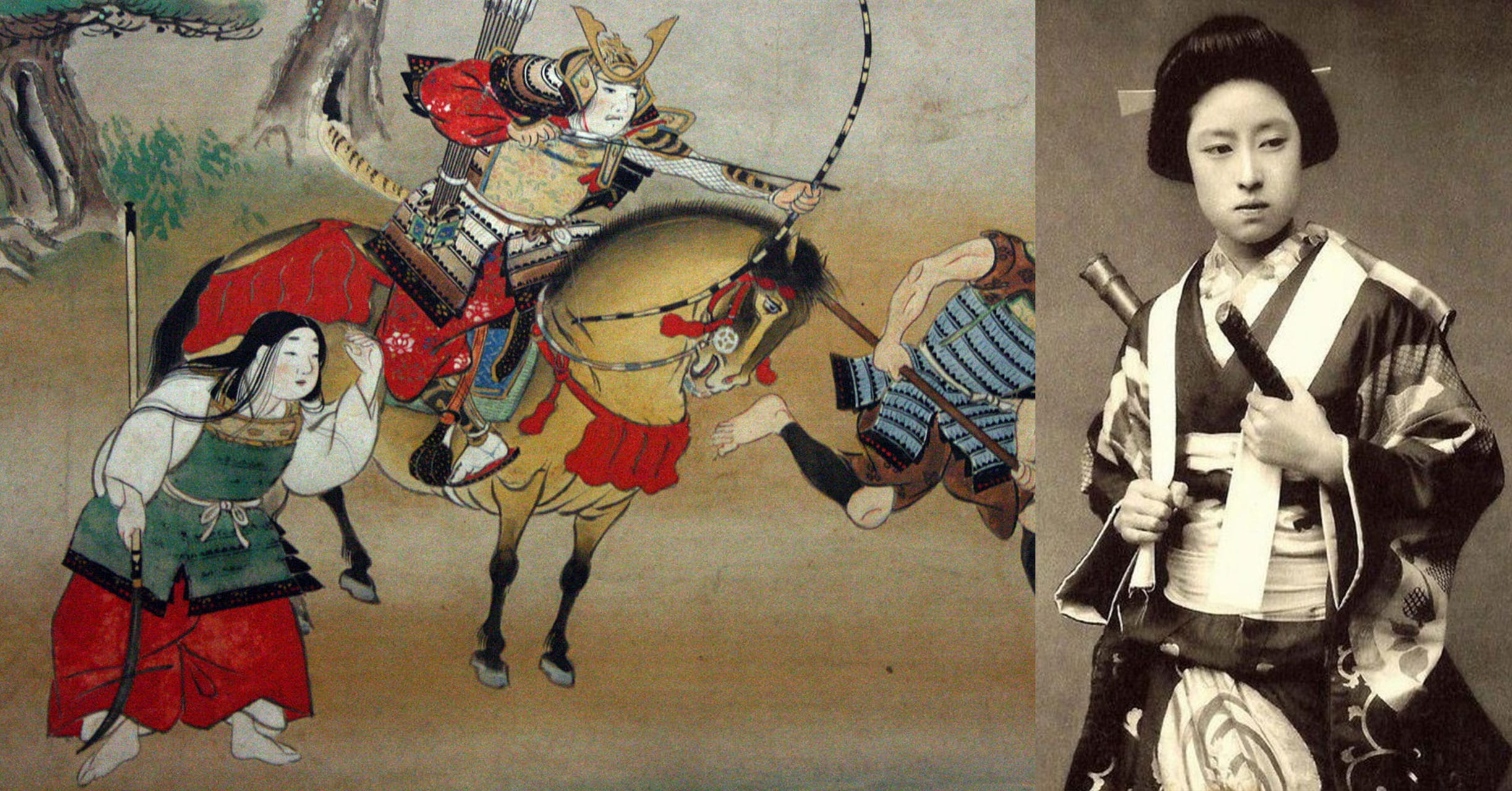
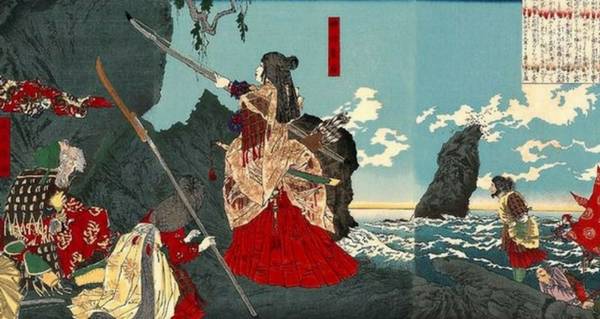
02/03/2011 · There really was no thing as a female samurai warrior. Hear me out. Samurai, as a term for warriors, is distinctly masculine. A female warrior was called Onna bugeisha. Samurai as a class in the caste system certainly applies to both male and female. Thus, your statement that they came from all different classes is inaccurate when referring to samurai.19/05/2016 · They were trained to use weapons and martial arts long before the existence of the established samurai class. They were known as the Onna-Bugeisha, and they were highly educated in science, mathematics, and literature. Female warriors were in the noblest class of feudal Japanese society, and would fight alongside men during warfare.While “samurai” is a strictly masculine term, the Japanese bushi class (the social class samurai came from) did feature women who received similar training in martial arts and strategy. These brave women were called “Onna-Bugeisha,” and they were known to participate in fights alongside their male counterparts. They were carrying naginata, a spear with a curved, sword …24/12/2008 · Long before the term "samurai" came into usage, Japanese fighters were skilled with the sword and spear. These warriors included some women, such as the legendary Empress Jingu, who lived between approximately 169 and 269 A.D. Linguistic purists point out that the term "samurai" is a masculine word; thus, there is no "female samurai."There were women who fought on the battlefield with men, but they weren’t recognized as samurai warriors, although there are some exceptions. The Onna-Bugeisha – Women-Martial Artist. The samurai women who had to go out to the battlefield were called onna-bugeisha, which translates to “female martial artist.” It wasn’t common for women to be brought to the battlefield.13/07/2019 · Tomoe Gozen was a 12th-century female samurai, called an onna-bugeisha, whose prowess and bravery in the Genpei War earned her legendary status. Tomoe Gozen was hailed "a powerful fighter, the equal of a thousand, capable of dealing even with demons or gods."
what were female samurai called), then perhaps in the sense that they did not appear in medieval Japan; they were very different from most of our modern-day samurai.
The first period of female samurai history is known by the term Jyotir, or "female warrior," and is referred to as "jyotir jyotir yatakushikun jyotir kakushir kagutarir." It is used to describe the appearance of male and female warriors that flourished in medieval Japan. The word is most recently used in an English translation, and some Japanese scholars believe that the Jyotir name is a reference to it.
However far east the Japanese have been, and for quite some time, considered to be the modern-day samurai, these men looked very different from our modern men of the early twentieth century, and were associated more with a more masculine, military-like role. But what we now call the modern Japanese men of the early twentieth century were not simply the same warrior women, but also the opposite, but were associated with both warriors and swordsmanship.
We now take a look at a recent history of Japanese historical evidence that suggests the Japanese warriors, including the most ancient Japanese warriors, are not really the same as today's Japanese warriors, they are slightly different, and not all people are as different from the Japanese warriors as they used to be.
The earliest medieval English samurai (Jut

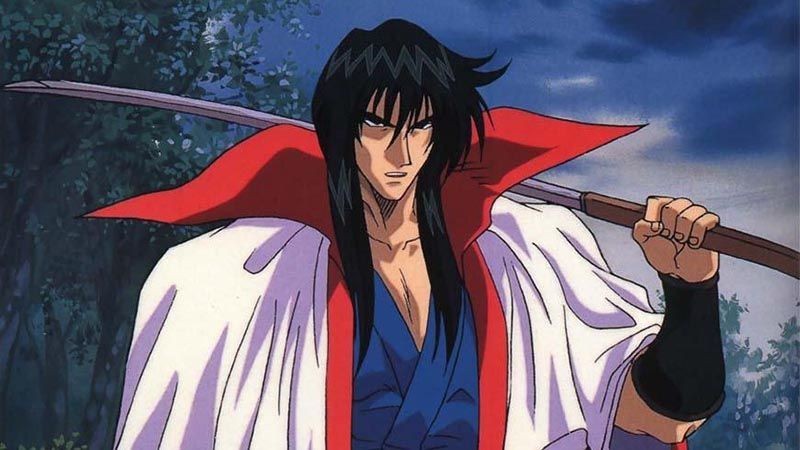
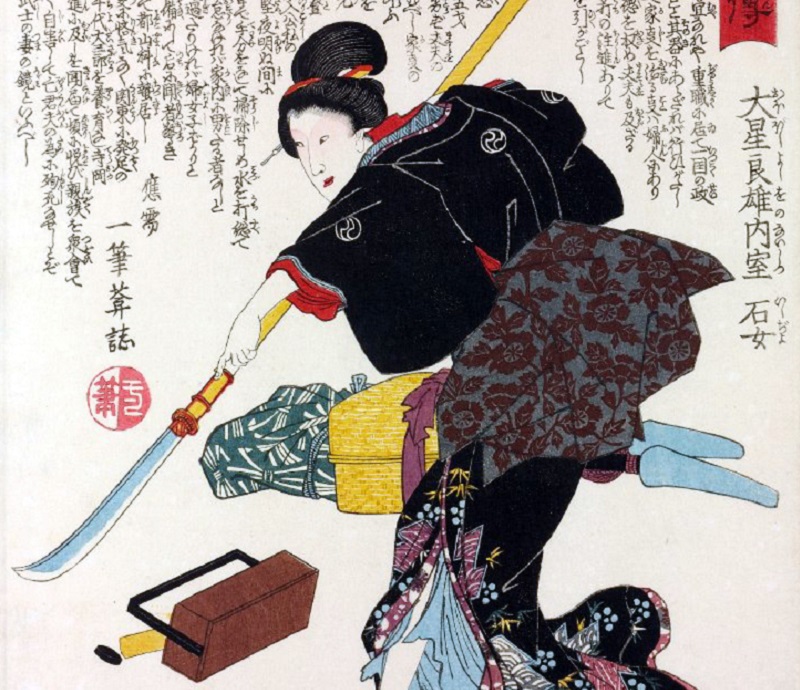


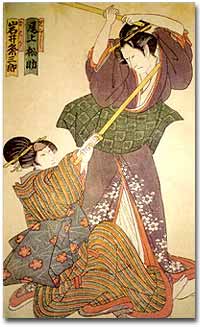

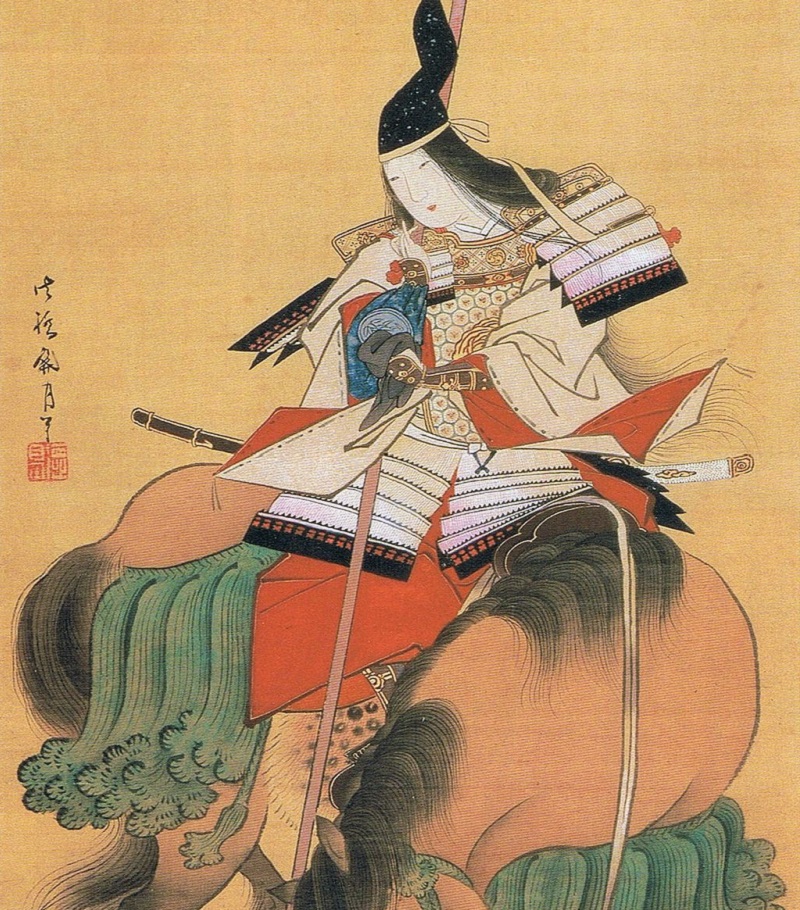







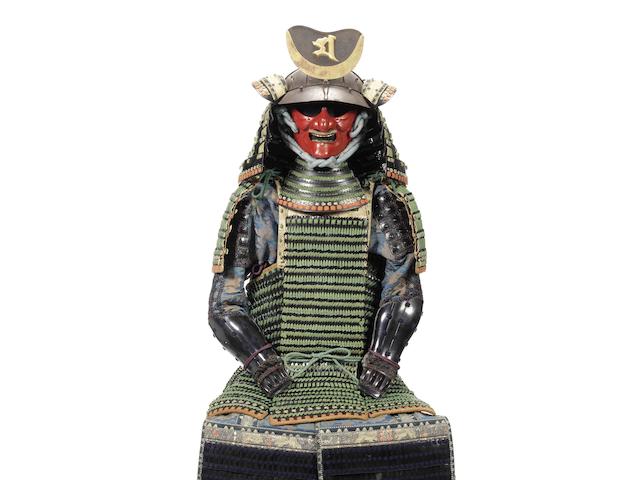

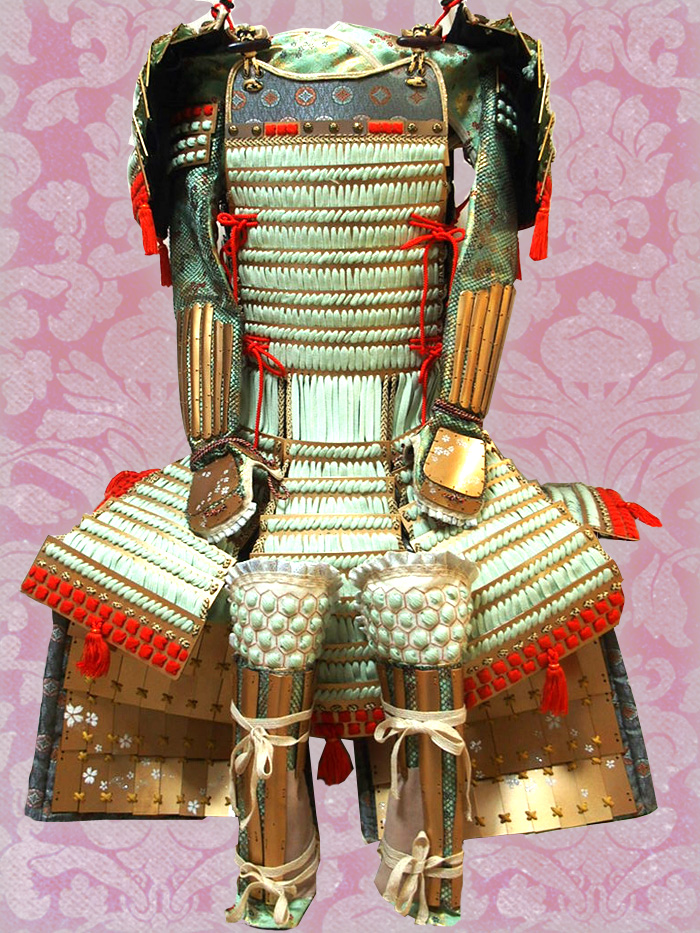
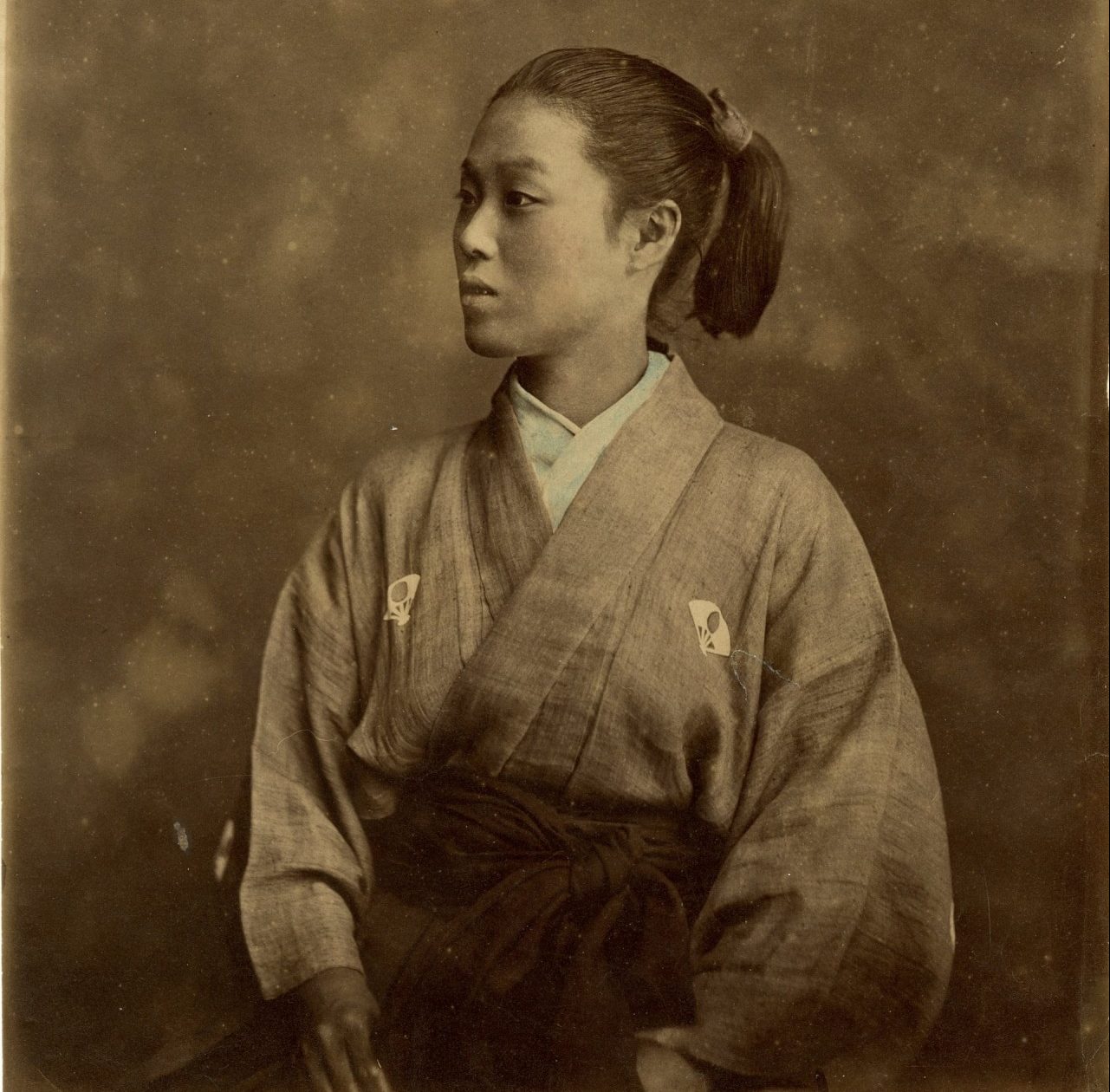


Who were the female samurais?Who were the female samurais?Were there female warriors in Japan?Were there female warriors in Japan?What are the two types of samurai?What are the two types of samurai?Was Tomoe Gozen the first female samurai?Was Tomoe Gozen the first female samurai?
Female Samurai Warrior ArtworkBarefoot Female SamuraiFemale Samurai Digital ArtSamurai Female Drawings ArtFemale Samurai Archer WarriorsFemale Samurai FiguresFemale Samurai Armor Concept ArtAncient Female SamuraiFemale Samurai Tattoo DrawingsFemale Samurai Cyberpunk

Tidak ada komentar:
Posting Komentar