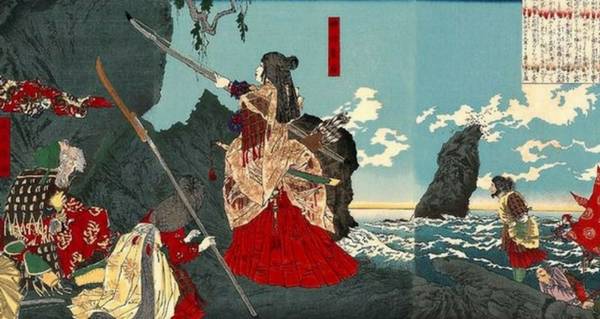
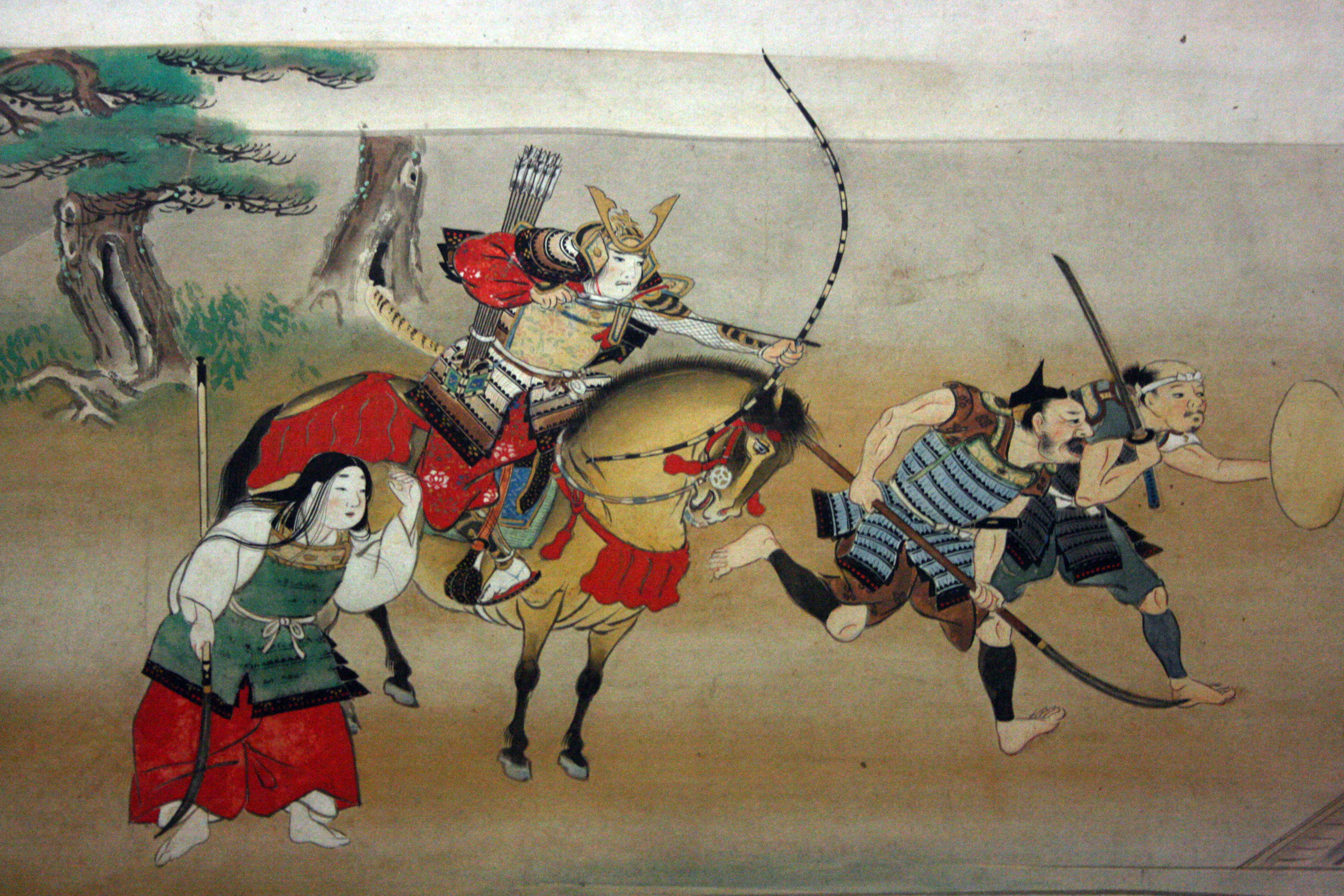
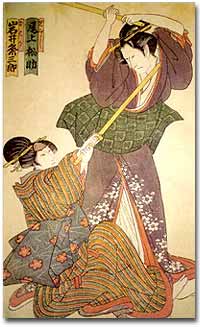
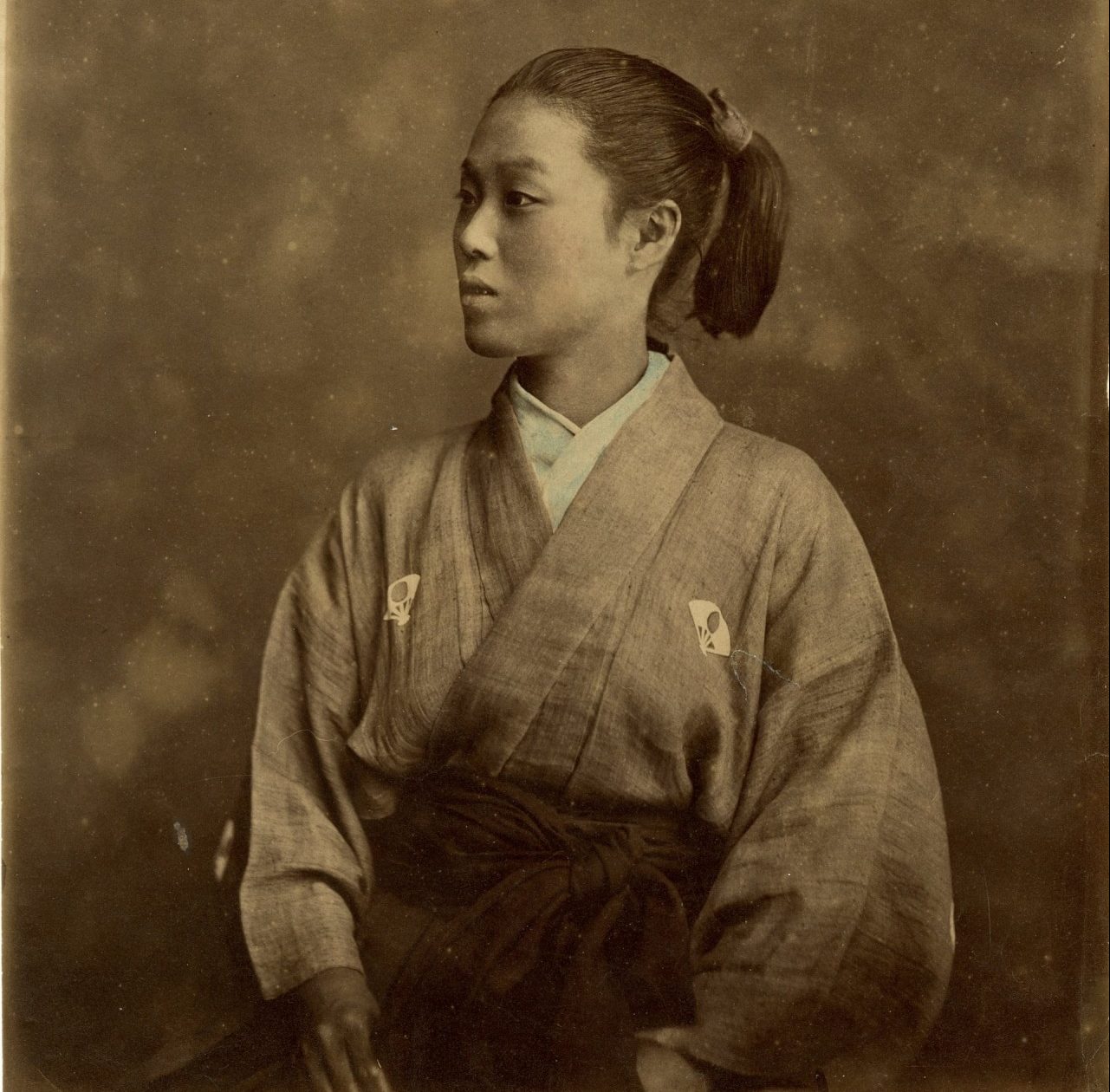
24/12/2008 · Long before the term "samurai" came into usage, Japanese fighters were skilled with the sword and spear. These warriors included some women, such as the legendary Empress Jingu, who lived between approximately 169 and 269 A.D. Linguistic purists point out that the term "samurai" is a masculine word; thus, there is no "female samurai."This means there were quite a lot more of these mighty warriors than we generally assume. In fact, at the peak of their power, up to 10 per cent of Japan’s population was samurai (around 3.5% were samurai women).02/03/2011 · There really was no thing as a female samurai warrior. Hear me out. Samurai, as a term for warriors, is distinctly masculine. A female warrior was called Onna bugeisha. Samurai as a class in the caste system certainly applies to both male and female. Thus, your statement that they came from all different classes is inaccurate when referring to samurai.Female samurais. Although it was rare, there were some female samurais. The roles of female samurais differed significantly from male samurais. For instance, it was not very often that female samurais fought in battle. Their roles were seen as more protecting their families, as well as assisting their samurai husbands with taking revenge on his behalf.18/05/2016 · Marriage in the age of samurai was an unusual thing, because what exactly it entailed depended on the class of the woman a given samurai wanted to wed. Today we’re going to focus on what happened when women from the lower classes wanted to get themselves some of that sweet samurai loving, though, because it’s hilarious .18/07/2019 · Meiji's government started steering the country toward modern times by opening up to industrialization and Western influences ... and stripping away the samurais' powers. The Meiji restoration left an estimated two-thirds (over 2 million people, or about 6% of the total population) of the samurai class without a job.
how many female samurai were there?)
I don't remember anyone saying anything about it, but if anyone knows of any references to it, please take care. The only reference I've found is an old post about "the story behind the legendary samurai sword." It only seems to happen to the last of Hinamoto's samurai as one of his "lost" brothers. So while the story doesn't really fit with its predecessor, it's not in the least bit surprising that it's coming to mind.
The thing that really caught my attention though, is that there are only a few parts of the story that have a male voice, one of them being "The Little Dragon".
This is a real problem in this series. There are lots of female characters you can pick up and fall in love with. (There are also some male characters in the anime, obviously, but I didn't really find this any more notable). In fact, it's this little thing that I wanted to make a male character. I wanted it to feel much less masculine and girlish to me (although I probably thought of all of them in different ways or so) and had to see a little less of them as I started getting older. And yet, in the end, I still managed to pick up where I left off: the dragon. I've been very impressed with the way Dragon Age was constructed and how close it all came together while still maintaining the traditional genderqueer male line









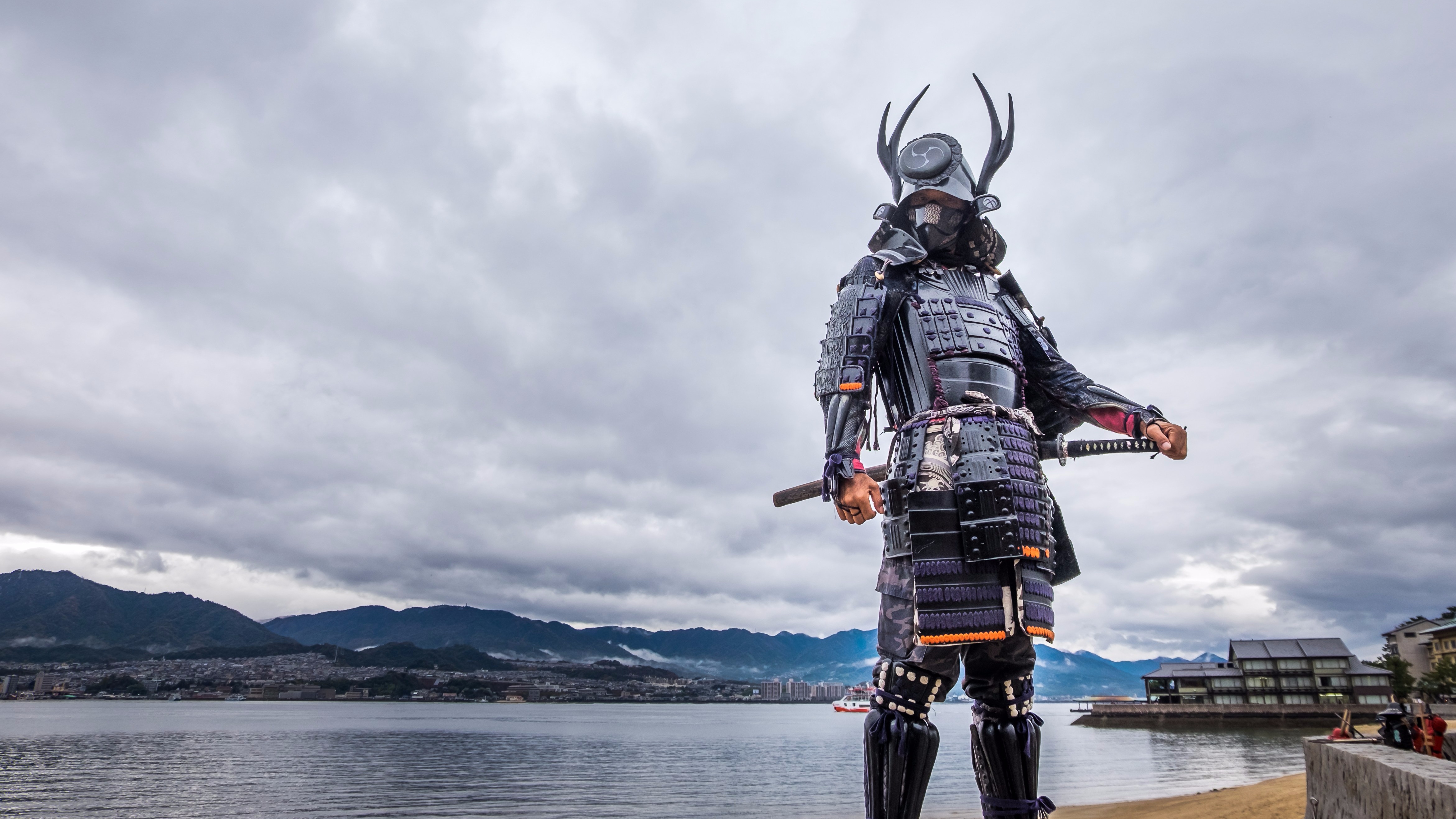


Were there female samurai warriors?Were there female samurai warriors?What are the best books about samurai women?What are the best books about samurai women?How did samurai view women in the Edo period?How did samurai view women in the Edo period?What inspired Japanese women to fight in the samurai Wars?What inspired Japanese women to fight in the samurai Wars?
Female Samurai Warrior ArtworkBarefoot Female SamuraiFemale Samurai Digital ArtSamurai Female Drawings ArtFemale Samurai Archer WarriorsFemale Samurai FiguresFemale Samurai Armor Concept ArtAncient Female SamuraiFemale Samurai Tattoo DrawingsFemale Samurai Cyberpunk

Tidak ada komentar:
Posting Komentar